An app enabling users to explore lives and stories from renaissance Florence through a 3D map.
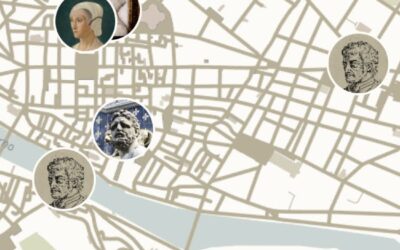

An app enabling users to explore lives and stories from renaissance Florence through a 3D map.

Providing free access to electronic texts of Ukrainian literature to all readers, especially students outside Ukraine.
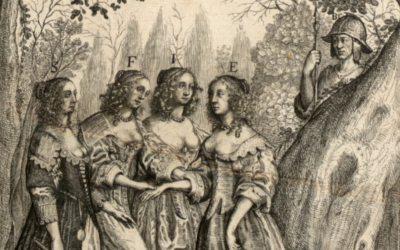
Providing insights into Early Modern though about the English Language through a database of encyclopedic-lexical works, 1480-1755.
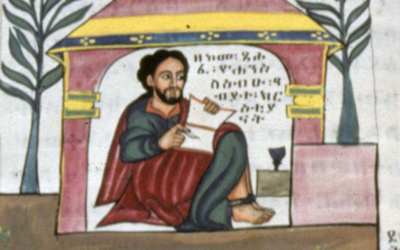
A database of over 11 000 images related to Ethiopian art and architecture.
A searchable catalogue of all extant editions of all verse in English published between 1770 and 1835 including metadata from first-hand observations.
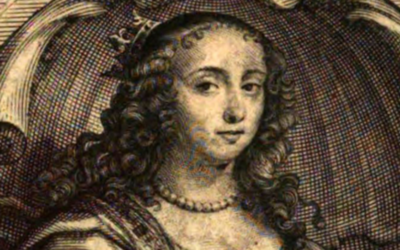
A digital critical edition of Margaret Cavendish’s Poems and Fancies (1664/68).
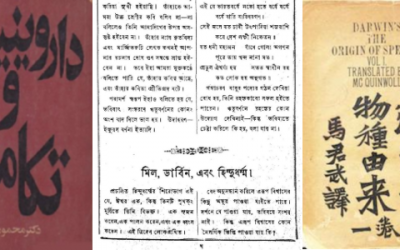
A fully searchable, multilingual database of scientific terms in Asian languages.
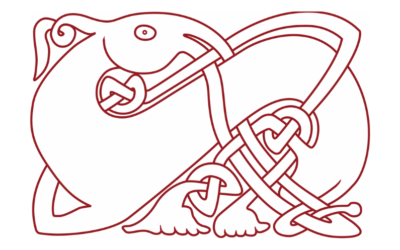
A dictionary of English vocabulary C.E.600-1150, based on a computerized corpus comprising at least one copy of each text surviving in Old English.
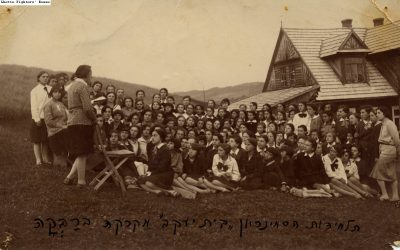
An archive of digitized material tracing the Bais Yaakov movement from modern scholarship to its origins in 1917 Krakow
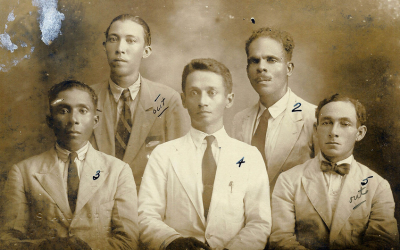
A decolonial history of the banana from its first cultivation to today, drawing from archival sources.
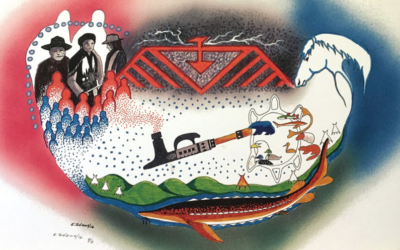
A digital edition of a missionary’s diary, documenting Ojibwe responses to Christianity and the expansion of Treaty 3 territory.
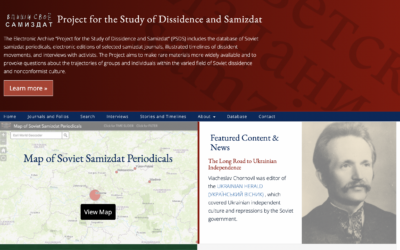
A database of Soviet Samizdat Periodicals and interviews with activists and timelines of dissident activity.